Can foreigners buy property in Curaçao? How it works and what it costs
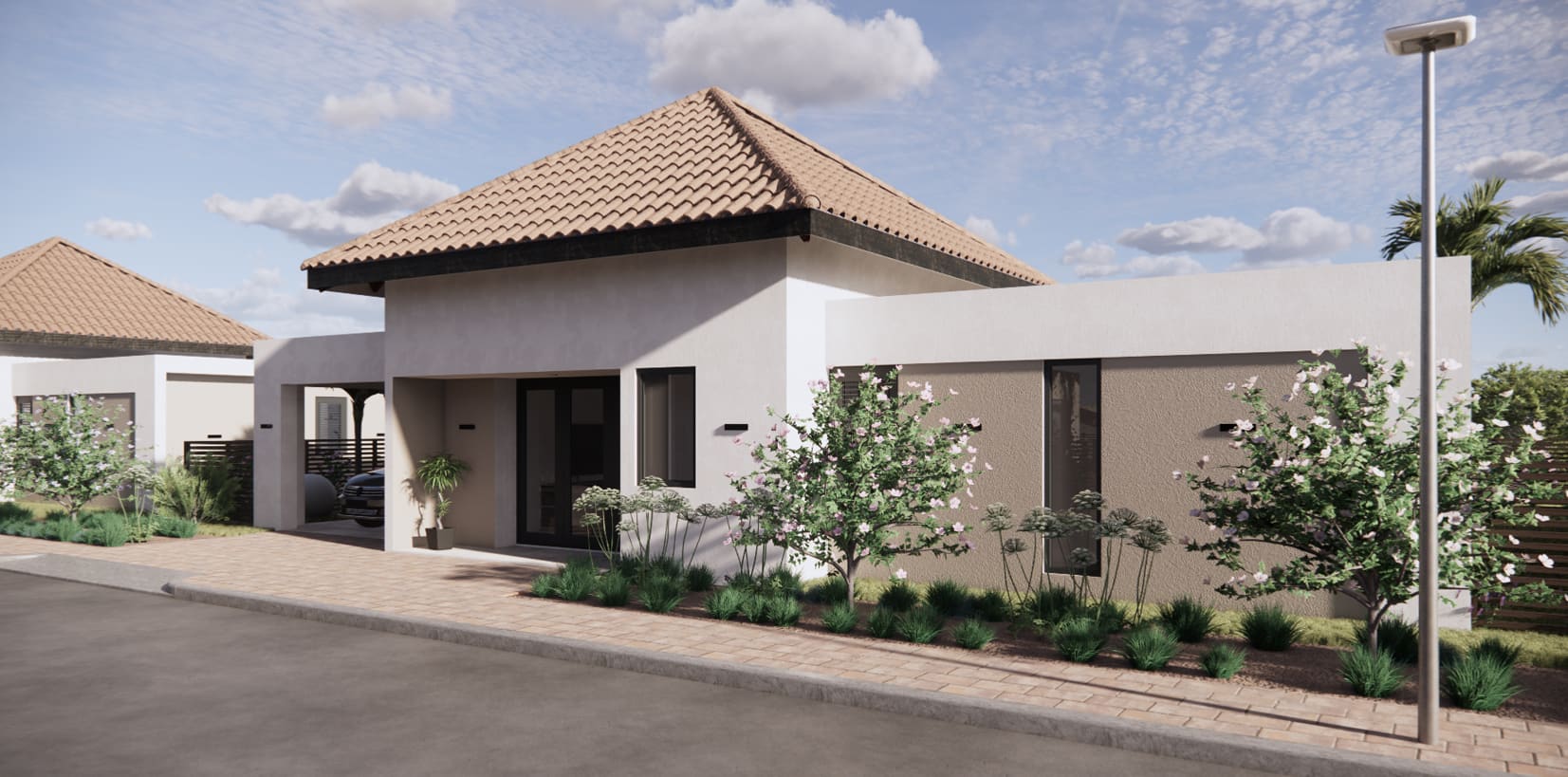
Yes. You don't need to live in Curaçao, hold a permit or set up a company to buy a house here. Our family bought from Canada.
What catches people out is not whether they can buy, but what they're buying and what it costs on top of the price. Here's what we wish someone had laid out for us.
Freehold or long lease: check the land
Property in Curaçao comes in a few forms, and the listing doesn't always make it obvious.
- Private ownership (eigendom). You own the land and the house outright. This is what most people mean by freehold.
- Long-term land lease (erfpacht). You own the right to use land that belongs to someone else, usually the government, for a set period or indefinitely, and you pay an annual fee for it. You can sell it and borrow against it, but the lease deed can limit what you do with the land.
- Short-term land lease (huurgrond). A plain rental of the land under your house. Less security, and worth extra caution.
Ask which one it is before you fall for the view. A lease isn't a deal-breaker, but the annual fee and the end date belong in your numbers.
A notary does the transfer
Every sale goes through a civil-law notary. Nothing is final until the deed of transfer is signed in front of the notary, who then registers it in the public land register. The notary also collects the transfer tax from you and pays it to the tax office.
In practice it runs like this:
- You agree a price and sign a purchase agreement.
- You pay a deposit into the notary's escrow account. Around 10% is common.
- The notary runs the checks: title, liens, mortgages, permits. This usually takes six to eight weeks.
- You sign the deed, pay the balance, and the notary registers you as the owner.
You can sign through a power of attorney if you can't be on the island. Ask the notary early; the paperwork has to be right the first time.
The costs on top of the price
| Cost | Typical amount |
|---|---|
| Transfer tax | 4% of the price (or the registered value, if higher) |
| Notary fee | About 1% to 2% |
| Lien and register search | About US$265 |
| Turnover tax (OB) on new builds | Often quoted on top of developer prices; ask |
| Annual property tax | Roughly 0.4% to 0.6% of value, depending on the property |
On a resale, budget roughly 5% to 6% on top of the price. On a new build, read the price line carefully. In Koraal Tabak, for example, the developer quotes villas "excl. tax (OB) and buyers cost", so the 4% transfer tax and notary are not the only extras.
Financing
Local banks do lend to foreigners, but with conditions, and many foreign buyers pay cash or borrow against property at home. If you need a Curaçao mortgage, talk to a bank before you sign anything.
Buying doesn't give you residency
Owning a house here does not, by itself, give you the right to live here. Curaçao has a separate residence permit system, which changed in April 2026. We wrote about it in moving to Curaçao from Canada.
One thing to watch
A government-commissioned study has recommended considering a higher land-tax bracket for foreign buyers of homes and land. Nothing has changed yet, but if you're buying, keep an eye on it.
What we'd do differently
Get your own lawyer, not just the notary. The notary is neutral. A lawyer works for you. And before you buy, decide who will look after the house when you're not here. An empty house in this climate needs someone every week. That's what we do.
Sources: Doing Business in the Dutch Caribbean: ownership and long lease, transfer of real estate, transfer costs; RE/MAX BonBini, buying a house in Curaçao; 7th Heaven Properties, Curaçao buying guide; Koraal Tabak Estates, Villa Type 1; Curaçao Chronicle, study on foreign buyers. This is general information, not legal or tax advice.
Looking at Koraal Tabak?
We own two houses in Porta Kurá Bunita and look after others. Ask us what it's really like before you buy.
See homes for sale