Moving to Curaçao from Canada: residence permits after the April 2026 changes
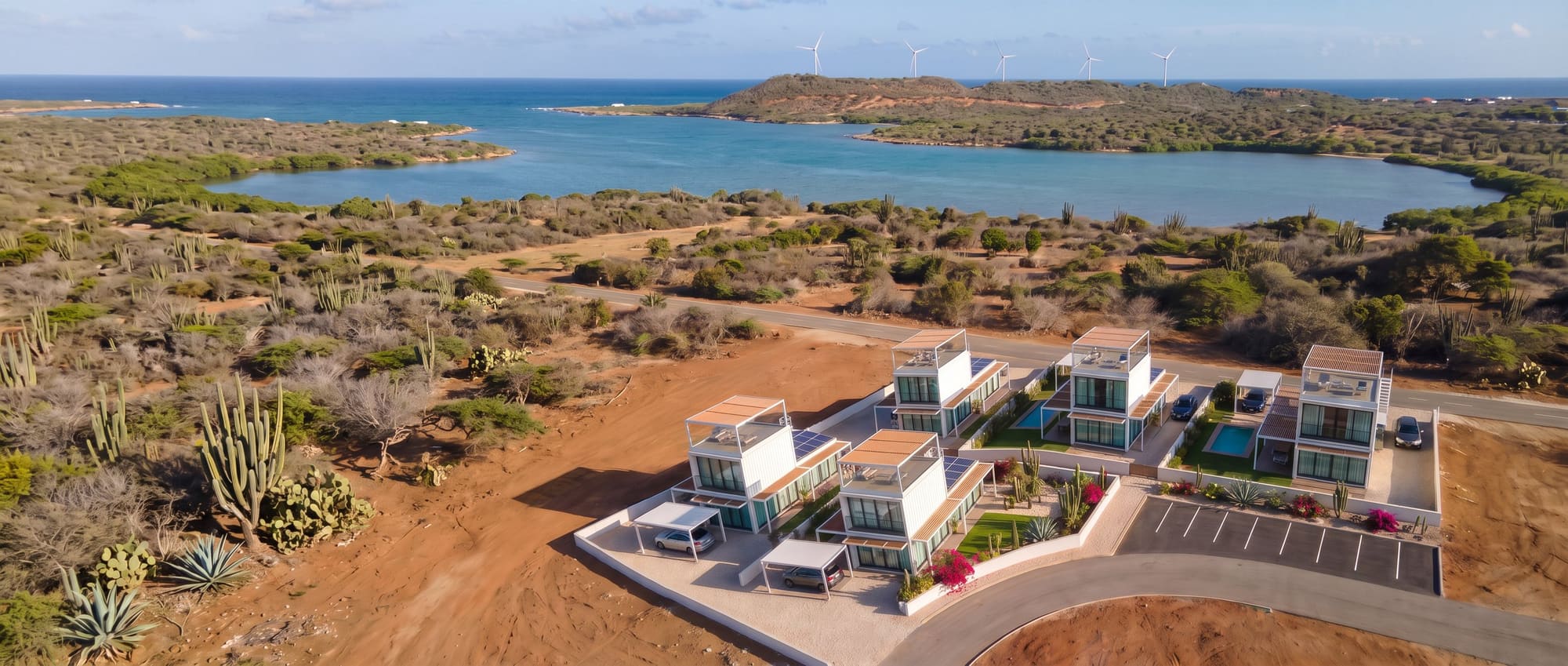
I'm Canadian, born in Rome, and these days I spend a good part of the year in Koraal Tabak. The question I get most from friends at home: can I actually live there?
Short answer: yes, with the right permit. Owning a house here isn't enough on its own. You need permission to live here, and the rules changed this year.
What changed on April 1, 2026
Curaçao replaced the admission policy it had used since 2019. The main changes:
- Longer permits. In principle a residence permit can now be granted for up to three years, whatever the purpose. Before, one year was typical.
- Complete applications only. An application has to be complete when you submit it: the form, a copy of a valid passport, proof that all fees are paid, and a written explanation of why you qualify. The old six-week window to fill in missing papers is gone.
- Family follows the main applicant. A spouse or child can't hold a permit longer than the person it's based on, and fees are paid in advance for each year.
- Renewals. If you already hold a multi-year permit and renew on time, you keep the same terms. Miss the deadline and you lose that.
The routes that matter for Canadians
Applications go to the Toelatingsorganisatie, Curaçao's admission office under the Ministry of Justice. The categories people like us usually look at:
- Retired person or pensioner. For people living on a pension or their own income.
- Investor. For people investing in property or a business on the island. A permit to live here is not a permit to work. If you want a job or to run a local business, that's a separate work permit.
- Remote worker. Curaçao also has a permit for people working for employers or clients abroad.
Under the new rules you can qualify for permanent residence in a few ways, including ten years of continuous lawful residence, qualifying for the pensionado tax scheme, or investing more than XCG 1,500,000 (about US$838,000).
Exact income and investment thresholds for the temporary permits change, so get the current figures from the admission office or a local immigration lawyer before you plan around them.
Before you go
A few things we sorted out that nobody tells you:
- Get the paperwork right the first time. With the new "complete or rejected" rule, a missing apostille costs you months. A local lawyer is worth it.
- Money. The guilder (XCG) is pegged to the US dollar at 1.79. Most people keep a Canadian account and open a local one for bills.
- Power and water. Electricity is expensive. Solar pays for itself here. We ran the numbers.
- A car. On our side of the island you need one.
- The house while you're away. If you'll still spend part of the year in Canada, someone has to open the house every week. That's what we do.
Buying first, moving later
Plenty of people buy, rent the house out for a few years, then move. If that's you, read up on how buying works and the tax on renting it out.
Sources: HBN Law & Tax: Curaçao immigration changes as of April 1, 2026; VisaAtlas: Curaçao investor, retired person or pensioner permit; Nomad Watch: Curaçao investor permit; RE/MAX BonBini: investor permit FAQ; Central Bank of Curaçao and Sint Maarten: Caribbean guilder. This is general information, not immigration advice.
Thinking about the move?
We split our year between Ontario and Koraal Tabak. Ask us what it's really like.
Send us a question